Common Causes of Coughing in Dogs and Cats
GLVH
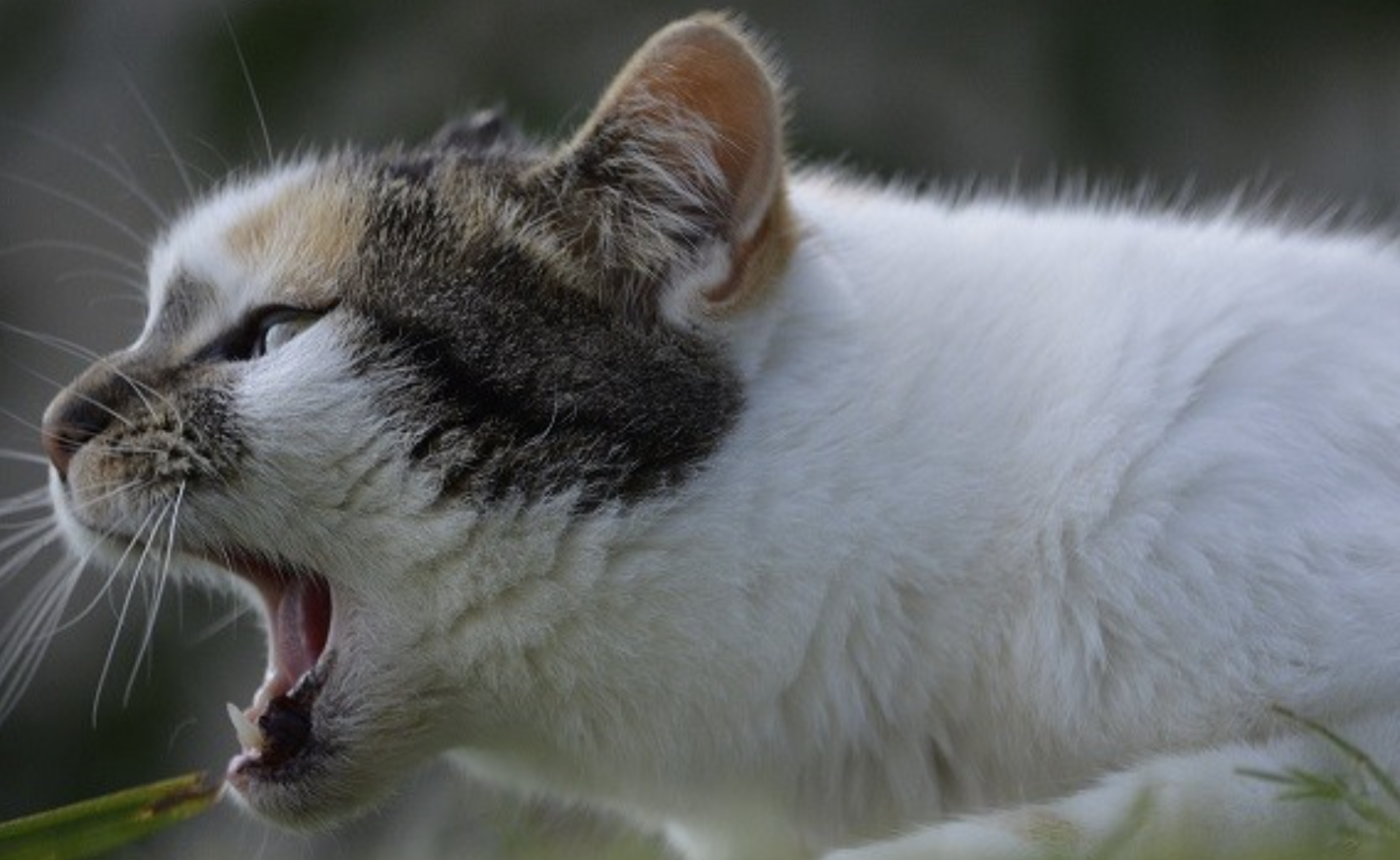
Coughing is a natural process where the body works to expel mucus, foreign material, infectious organisms and other things from the respiratory tract. Sometimes we run into conditions that can cause a chronic cough, such as asthma, tracheal collapse or heart disease. Other times our pets may experience an acute cough due to an illness that may resolve on its own but may also require treatment to resolve. These illnesses may include kennel cough, pneumonia, lungworm parasitism, neoplasia/cancer and other diseases affecting the lung space.
If your cat or dog experiences a cough that is new, persists, or has you concerned in anyway, please reach out to your veterinarian for assessment and advice. Any form of respiratory distress is a medical emergency and immediate veterinary attention is recommended.
Below I will discuss a few of the common causes for coughing in dogs and cats.
Feline asthma
Feline asthma or feline bronchial disease, is much like human asthma. Often times a cause for it is not found, but it is believed a noxious stimulus enters their airways, causes damage to the airways leading to increased mucus production, inflammation and fluid build-up in the tissue. All of this works to narrow the airways and make gas exchange and breathing more difficult for the cat. Diagnosis of asthma is frequently when a cat presents to a clinic in respiratory distress. They may be struggling to breathe, panting, breathing with abdominal effort, but may also present for a recurring cough or wheezing.
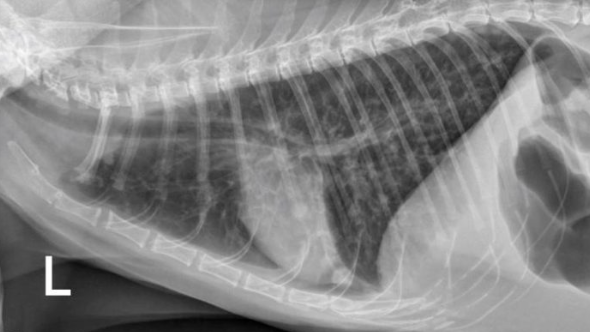
Feline asthma is generally diagnosed with chest radiographs as they often have a distinctive appearance on x-ray. If your cat experiences respiratory distress, your veterinarian will stabilize them first and then take x-rays when it is safe to do so. Chest radiographs also help rule out heart disease as a cause of your cat’s clinical signs. Another test that can help confirm asthma is looking at cells under a microscope that are collected from the airways. If there is evidence of a white blood cell type called eosinophils, it is another strong indicator of feline asthma. A CT scan of the chest is also a way to confirm asthma, but comes with increased cost and risk as the patient requires general anesthesia.
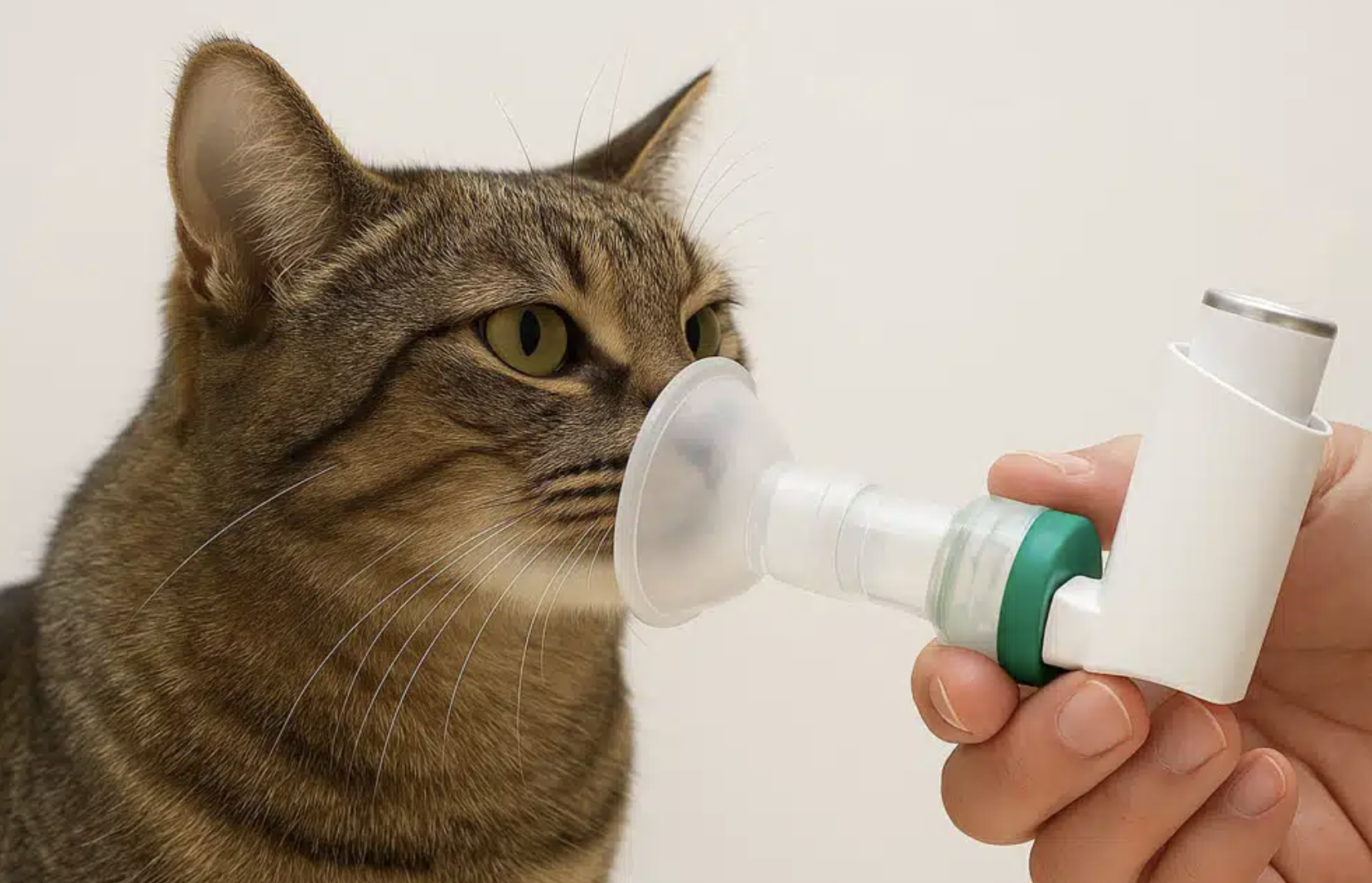
Longterm prognosis of cats with asthma is generally very good, but requires life-long therapy and that commitment by their owners to keeping up with their care. Mainstay medical management involved corticosteroids. They work to decrease airway inflammation and are usually an oral medication given daily, starting at a higher dose and reducing it down with time. With time, an oral medication can often be switched to an inhaler with a special cat-sized adaptor to ensure they breathe in the medication. By switching to a puffer from an oral medication, the steroid acts more locally where it is needed, thus having less side effects systemically. Additional bronchodilator inhalers may be prescribed to use during a bronchospasm event.
Kennel cough
Kennel cough, otherwise known as canine infectious tracheo-bronchitis is a highly contagious disease that gets picked up easily from other dogs. High-risk areas mostly revolve around areas with higher concentrations of dogs, such as groomers, kennels, dog parks, etc. This illness is caused by numerous infectious agents often including Bordetella bronchiseptica, canine adenovirus-2, canine parainfluenza virus, canine respiratory coronavirus +/- other organisms.
Generally, this infection causes a self-limiting illness in your dog that will resolve on its own. Clinical signs involve a dry, hacking cough, some nasal or ocular discharge and mild lethargy. In severe cases your pet may become clinically ill (significant lethargy, fever, worsening cough) and require medical treatment to help them get better. Chest radiographs, blood work and medication may be recommended by your veterinarian. If systemic illness is present then antibiotics may be warranted, but otherwise we often let the kennel cough run its 1-2 week course.

Rest and keeping your dog away from other dogs is the main course of action. Sometimes to help soothe, offering canned food instead of kibble may be more appealing to your dog during this time.
Prevention is through using the kennel cough vaccine annually as needed depending on your dog’s lifestyle. This vaccine works a lot like our human COVID-19 vaccine, in that it decreases the severity of disease more than completely eliminating the risk of kennel cough entirely. Prognosis for your dog with infectious tracheo-bronchitis is excellent for uncomplicated cases.
Tracheal collapse
Tracheal collapse is exactly like it sounds in that the dorsal aspect of the trachea, which does not contain the cartilage ring structures, starts to collapse within the lumen of the trachea. This decreases the size of the airway and causing a honking cough. Miniature and toy breeds are predisposed to this degenerative process.
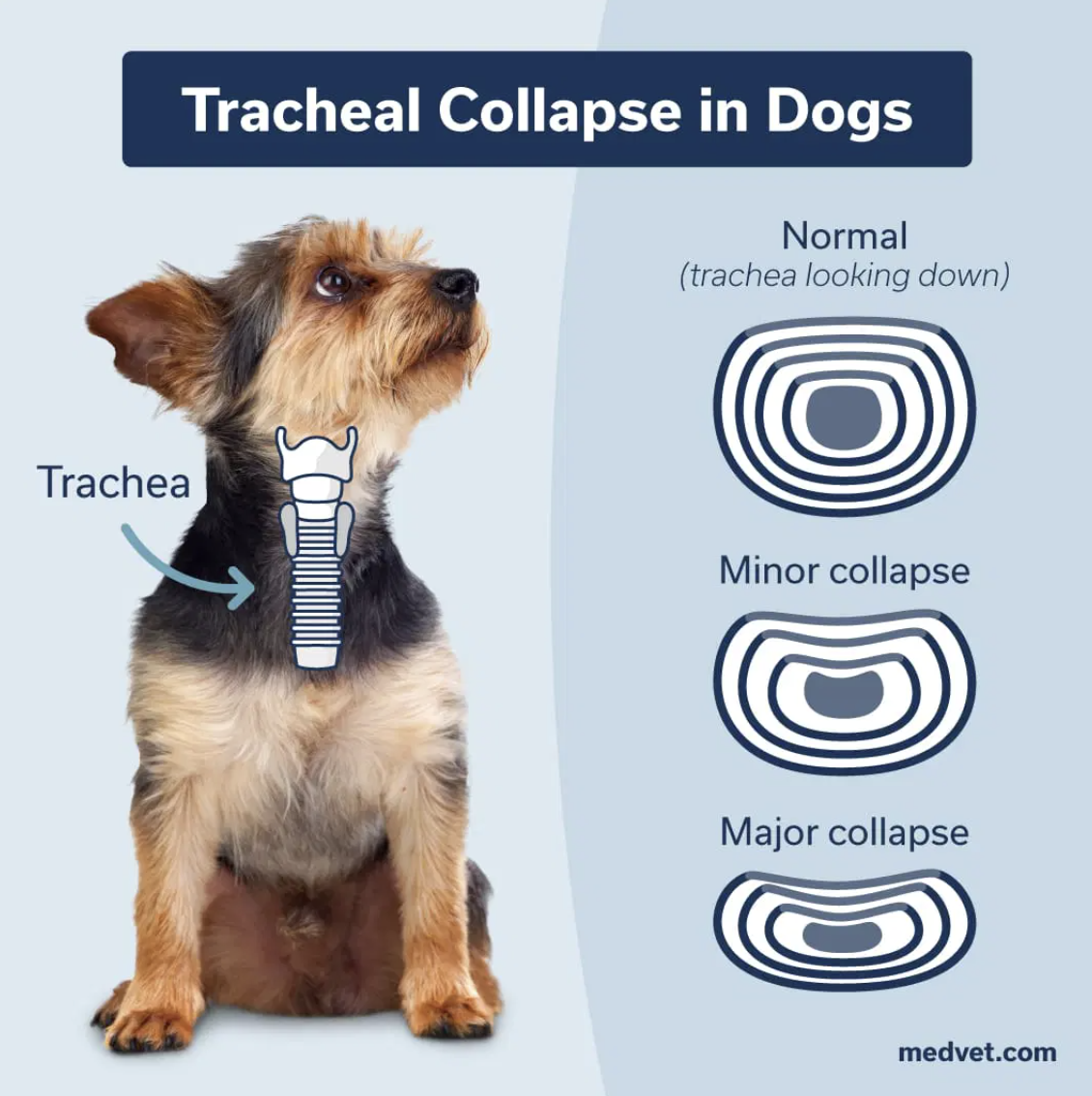
Collapse is placed into 4 grades depending on severity. This is a degenerative disease process for the majority of cases with no cure, only management of it. Typical signs are a goose honking cough, wheezing, hacking, that tends to act up if they are pulling on the leash, excited or anxious.
The distincctive cough and clinical signs generally lead the diagnosis, but radiographs may show the tracheal collapse and confirm the disease, though it can fluctuate and may not be evident at time of x-ray. If wanting accurate diagnosis, fluoroscopy (basically live dynamic x-ray) can be done at referral centres to confirm tracheal collapse.
Therapy often entails weight loss if that is a factor, using a harness instead of a collar, normal humidity in the home, reduce second hand smoke and incorporating any other environmental modifications that may be beneficial. Phamaceutically, we can often help with cough syrups to help soothe, prevent coughing, provide bronchodilation and reduce inflammation and pain in patients that have more significant collapse present.
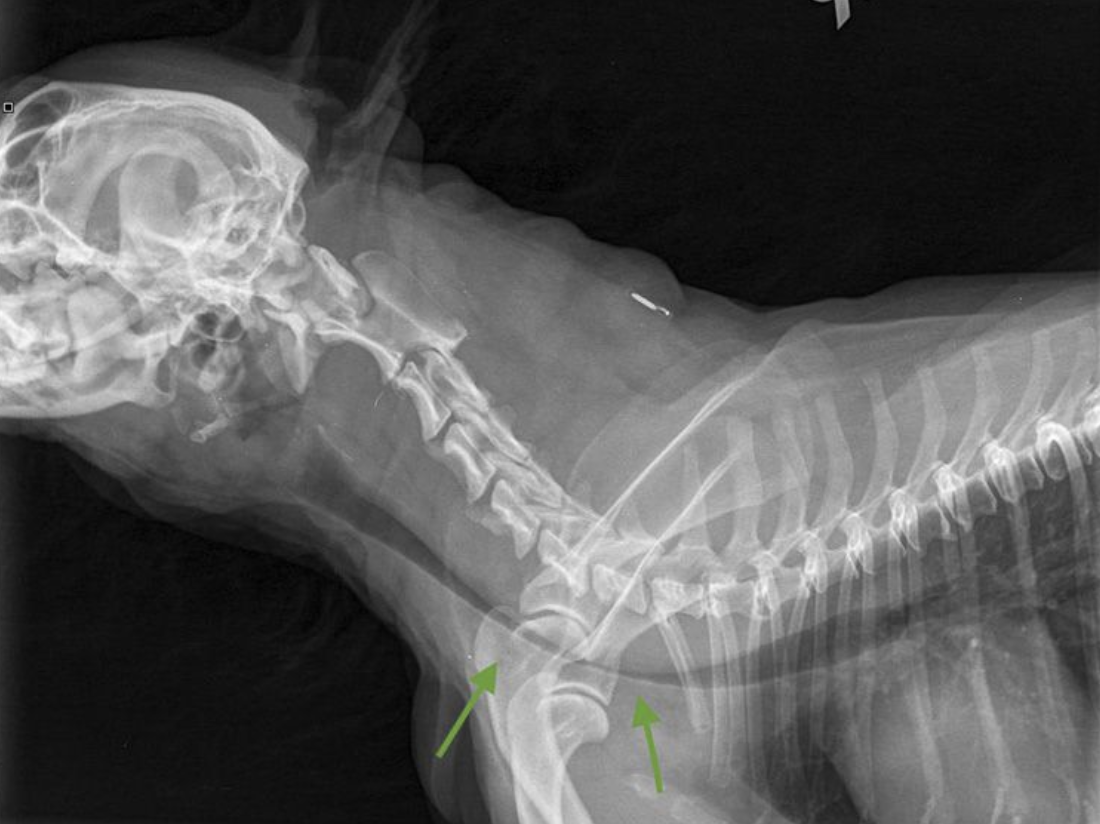
Longterm the tracheal collapse will worsen and get to a point where medication may not be enough. Surgically a stint can be placed in the trachea to help hold it open, but this is considered a salvage treatment and quality of life certainly comes into play here. If your dog is diagnosed with tracheal collapse, it is a life-long condition that is medically managed to make your pet more comfortable and in rare cases surgically stabilized.
A few other thoughts
As stated earlier, other possibilities of coughing include cancer within the chest cavity, heart disease and congestive heart failure, parasites, pneumonia, and more. At any point if you are concerned with your pet’s health, please reach out to your veterinary team. One helpful tip is to capture a video of what your pet is doing as they might not easily demonstrate their cough when at the clinic. Hearing and seeing the coughing action can really help your veterinarian focus in on what the problem may be.
Hope you are enjoying your Summer!
Dr. Hillary