Foreign Bodies and GI Obstruction
GLVH
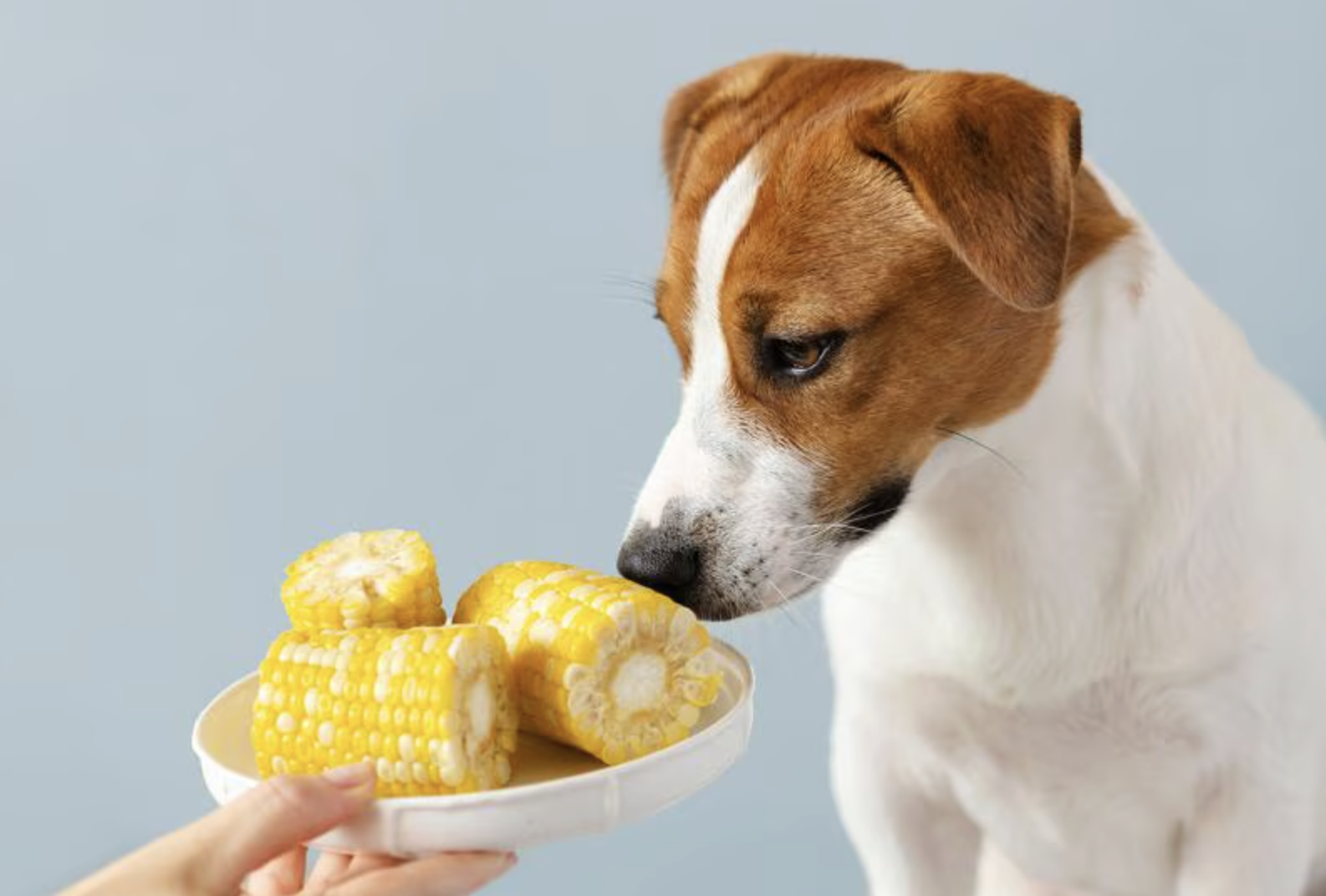
To the annoyance or distress of many pet owners, our dogs and cats may be prone to eating things they shouldn’t. Whether that is the elastics by your cat, the sock left on the floor by your lab, or a corn cob snatched by a counter-surfing pooch.
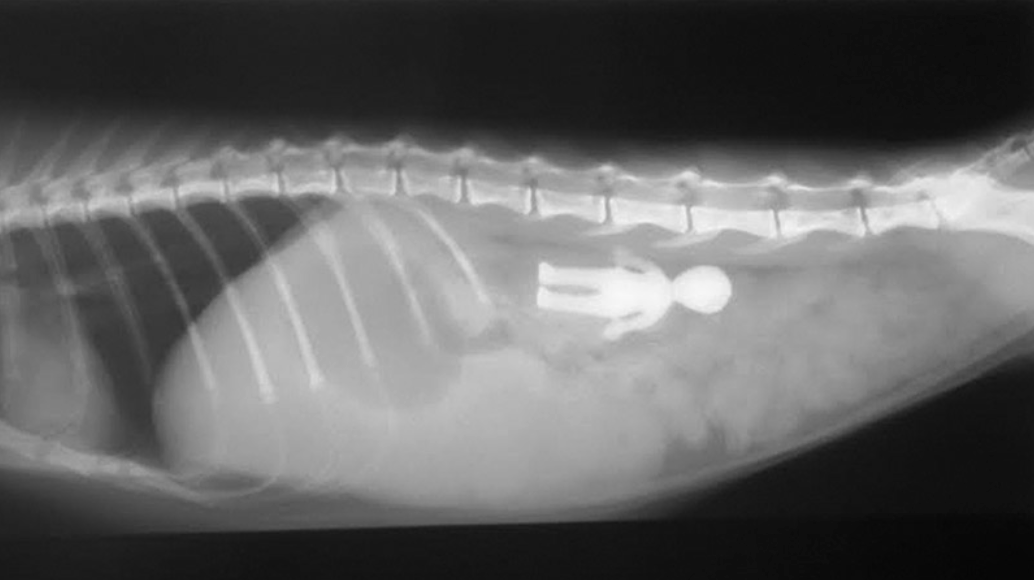
If you are lucky, your pet will pass the material with no issue, or vomit it back up and have no negative side effects. But what if it doesn’t pass? What if it causes a gastrointestinal (GI) obstruction? And when should we worry? Let me walk you through what signs to look for, when veterinary attention should be sought, and dissect what a GI foreign body obstruction means.
Common foreign bodies, but not a comprehensive list:
· Socks, underwear, rags
· Corn cobs, bones, peach pits, other food items or containers that do not digest well
· Toys, stuffing (pets or kids)
· Treats (such as unchewed bully sticks)
· String, ribbon, thread (cats more commonly)
· Hair elastics, rubber bands
· Tinsel, fish hooks, wrappers, bottle caps
· Rocks
Did you see your dog or cat ingest something they shouldn’t have:
If you observed your pet consuming an object they should not have, it is best to call you veterinarian right away and see if it is a concern, and if inducing vomiting would be a good next step. If the foreign material is safe to vomit up and we can prevent an obstruction from occurring, this is the best and quickest way to a resolution! Consult a veterinarian first, and it is safest to bring your pet into the clinic to induce vomiting under controlled supervision.
What if you didn’t see you pet eat something, but you are suspicious that a foreign body may be present? Below are clinical signs that may point towards a GI obstructing foreign body.

Clinical signs to look for:
· Persistent vomiting, inability to keep food or water down
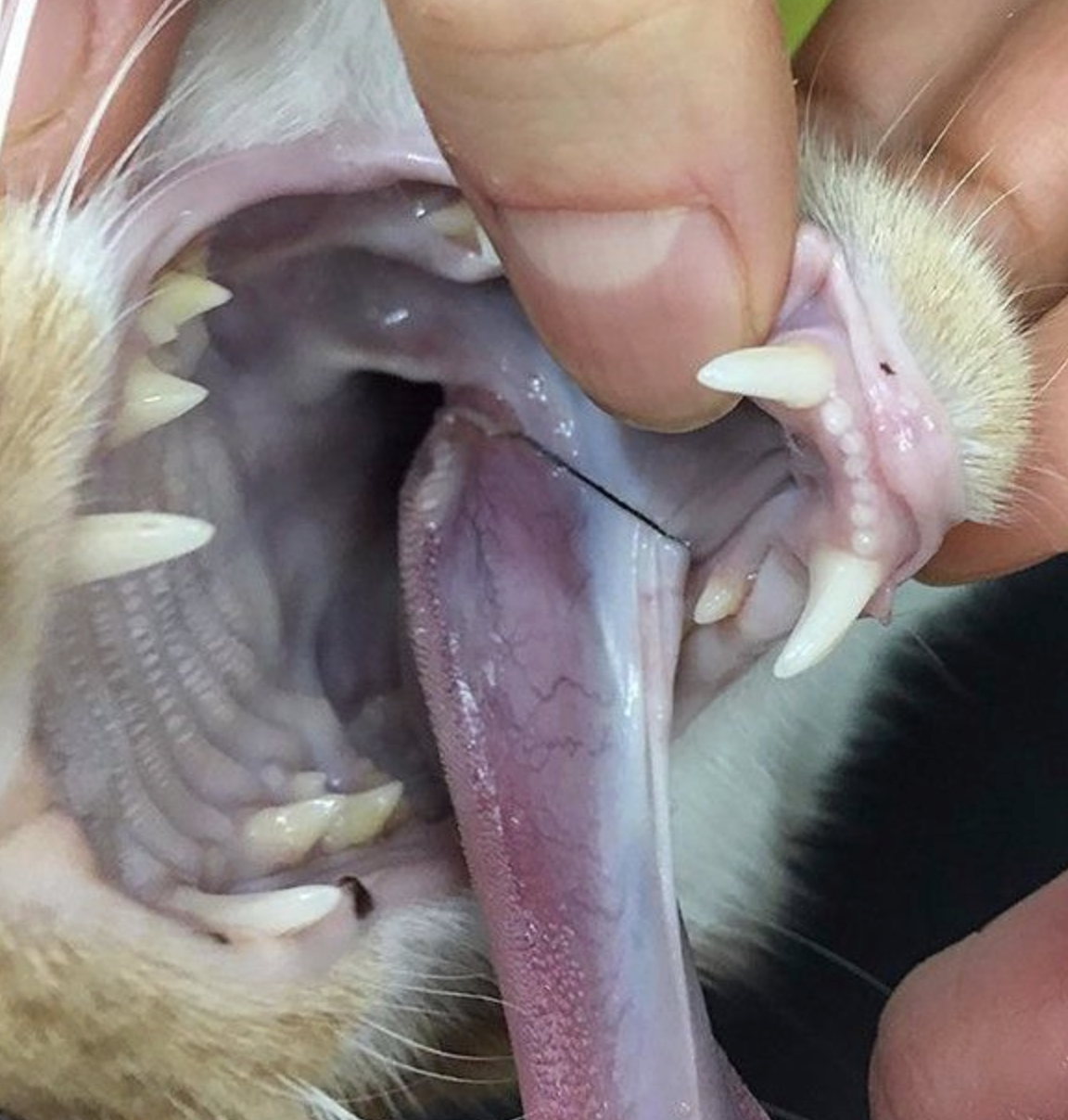
· Drooling, coughing, swallowing, gagging
· Lethargy
· Painful abdomen or chest
· Loss of appetite
· Restless behaviour
· Fever
· Panting
· If not addressed, patient at risk of GI rupture, sepsis, and death
When to seek veterinary attention:
· If you see your dog or cat ingest something other than normal food and treats
· Any of the above clinical signs are present
· Your pet has a history of eating things they should not and seeing familiar clinical signs
· Vomiting despite anti-vomiting medications given by a veterinarian
· You note something missing or not as it should be in your home
· You have concern for your pet in any way
What can be done about a foreign body obstruction:
When your dog or cat first present to the clinic your veterinarian will perform a full physical exam and take a thorough history on what has been going on. This information will direct your vet to some next steps. This could include diagnostic imaging (x-rays or ultrasound) to look for a cause of the clinical signs, of which there may be known or strong suspicion of foreign body obstruction. A blood panel is also often a first line recommendation for sick patients, and would be beneficial in the case of your pet needing to undergo general anesthesia and to rule out other causes for their clinical signs.
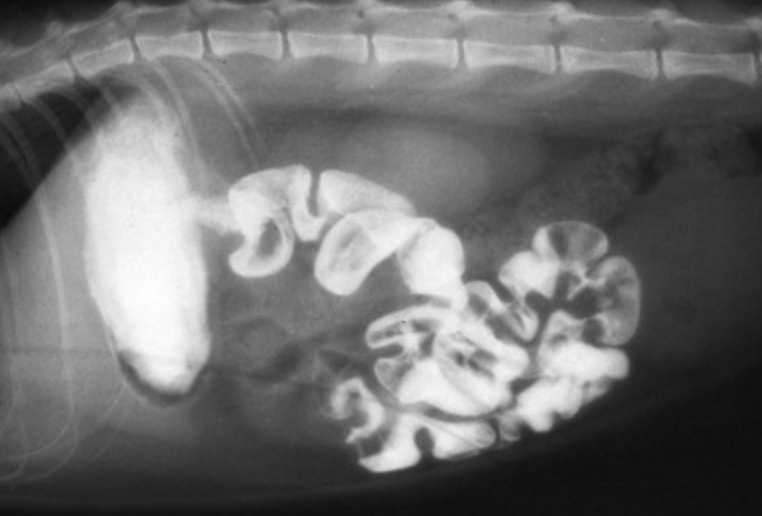
If a foreign body is found or highly suspected based on all the above, location, type of material, and clinically how your cat or dog is doing are going to determine next steps. Linear foreign bodies (often caught under the tongue or at the pylorus of the stomach) are surgical emergencies as they cause the intestinal tract to bunch up and risk perforating if not released and removed. A foreign object in the stomach on the other hand may be able to be vomited up, removed with a scope (not generally available at a general practice), or surgically removed through the stomach wall via an abdominal incision. An obstructing object in the small intestine almost always requires abdominal surgery to remove, this also allows your veterinarian to fully assess the GI tract while in there and ensure no other material is present. Foreign material in the colon is a good sign, and it will generally pass on its own, though IV fluids may assist with flushing it out and keeping your pet well hydrated.
In most cases if your pet is showing the above clinical signs, surgery is going to be the resolution of the obstruction. In some cases, the GI tract is damaged beyond repair from pressure causing lack of blood flow and that section may need to be removed to ensure only healthy organs remain.
Post-operatively, the first 5+ days are crucial to allow the GI tract to heal. Any vomiting at all, lethargy, fever, inappetence should be addressed by your veterinarian immediately as there is risk of the incisions dehiscing, or opening up, and causing material to leak into the abdomen and risk infection, sepsis or death.
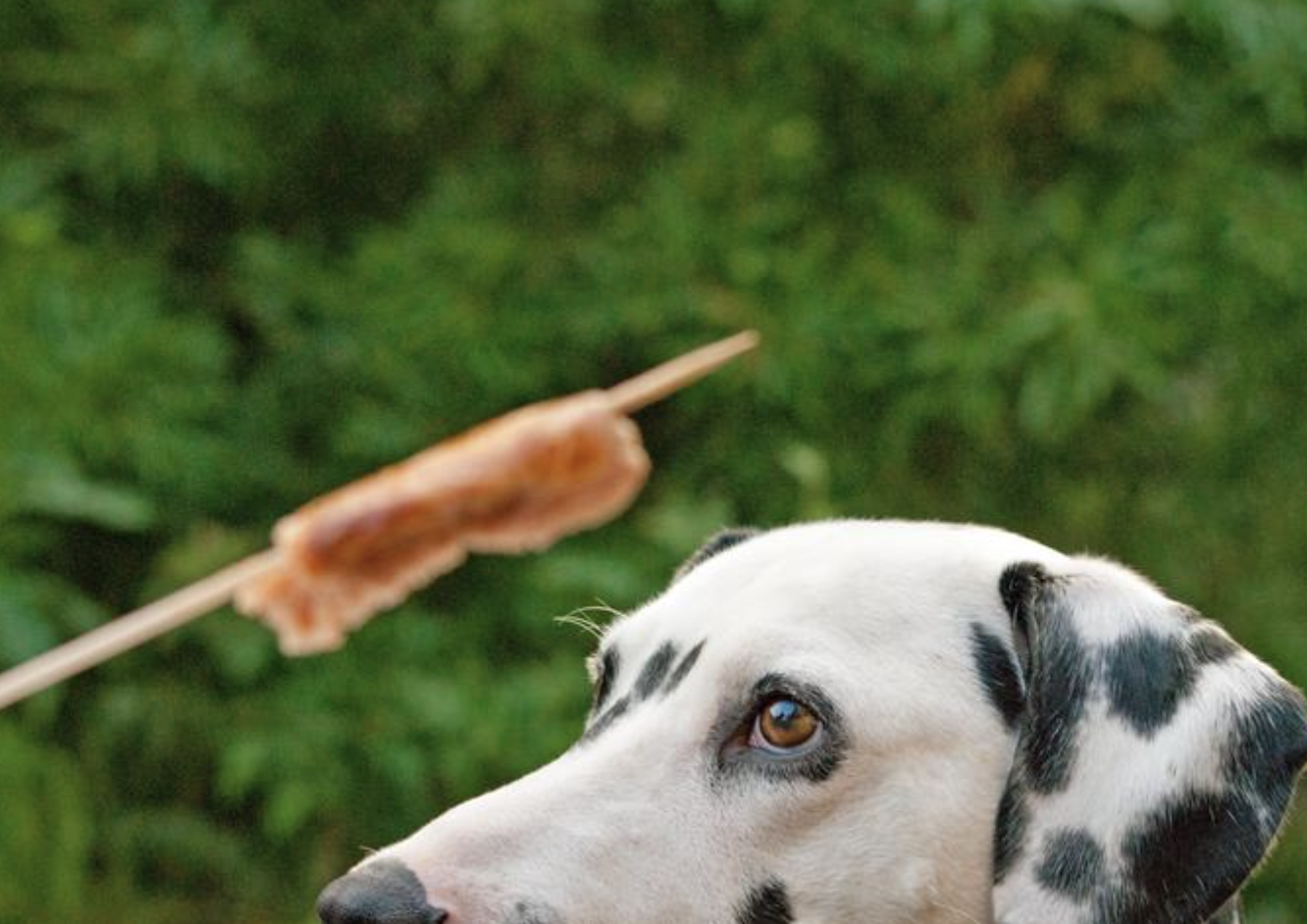
Also, once a foreign body consumer, always a foreign body consumer. Many pets can be repeat offenders, so careful monitoring of your pet, keeping their environment free of potential objects to ingest, and if really prone to eating things they shouldn’t, a basket muzzle can be placed to reduce chances of it happening. Your pet will thank you, as will your wallet!
Keep a watch as we approach the holiday season as there are lots of new things your animal may want to consume. To a wonderful holiday season and happy new year!
Dr. Hillary