Feline Infectious Peritonitis: From Fatal to Free of Disease
GLVH
Some of you may be all too familiar with this feline disease, while others may have never heard of it. This month’s topic covers feline infectious peritonitis or FIP and the major changes we have seen in veterinary medicine to treat this disease over the past few years.
What is FIP?:
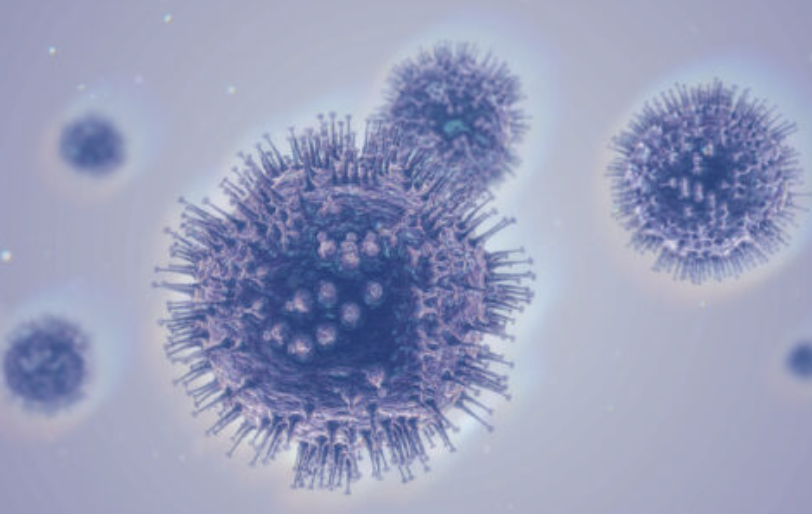
FIP is a coronavirus that occurs in cats that experience a mutation from feline enteric coronavirus, which almost every cat carries. Normally the virus effects the intestinal cells within the cat and we might see mild gastrointestinal disease (diarrhea) before becoming non-clinical as the immune system does its job. When the mutation to FIP occurs, the virus then begins to attack a cell in the body called a macrophage. This then causes the immune system to react in a different way and cause the disease and clinical signs we see in our FIP cats.
Overall, only a very small percentage of cats ever acquire the mutation and develop FIP, but when they do it is a serious disease, and until recently was basically 100% fatal. FIP can affect any age of cat, but the majority are kittens or young adults, cats from an over-crowded situation are predisposed to developing the disease, and often littermates show some predilection for FIP, so if one has FIP others in the litter are also likely to acquire FIP.
What are the clinical signs of FIP?:
There are two main forms of FIP: wet or dry FIP, and this refers to the type of lesions the cat acquires. Some cats may get one form of FIP, while others may have a combination of both types.
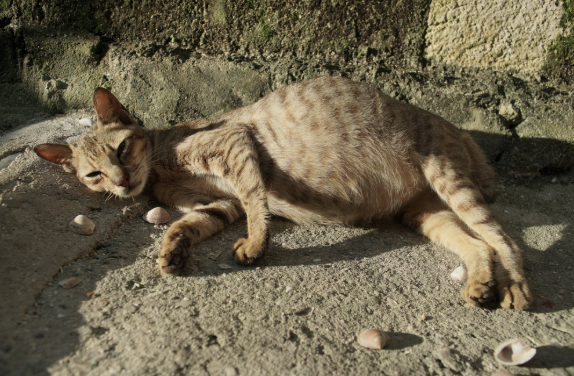
· The wet form means the disease causes fluid accumulation or effusions within the body, and can be within the abdomen, chest or around the heart. Clinical signs associated with this form of the virus may be non-specific, may include abdominal swelling, or difficulty breathing.
· The dry form are plaque-like lesions that can form anywhere, but often on the internal organs, eyes or brain. Clinical signs will relate to which organs are specifically affected, such as neurological signs with brain involvement, ocular changes if within the eyes, renal failure if on the kidneys, etc.
· Often these cats are not well, losing weight and declining rapidly and should be brought in to see your vet as soon as possible
FIP diagnosis:
Diagnosing FIP is not an easy process and often involves ruling out other diseases as quickly as possible to leave FIP as the main differential in order to then begin treatment. High level tests can be done to confirm, but this generally requires surgical removal of lesions from organs and submitting to the lab for specialized processing.
Most often the history and clinical signs are going to make your vet suspect FIP and from there a chemistry blood panel can provide more evidence to support that suspicion, alongside other diagnostics that can be run based on clinical presentation. As laboratories progress, new tests are emerging that with time may become more reliable, have a faster turn-around time, and become less expensive to run.
It is not uncommon for a vet to be highly suspicious for a FIP diagnosis and recommend treatment without out a confirmed positive diagnosis of this disease. Rapid treatment is often required to ensure much greater survival for your cat.
The most Important part: how to treat FIP:
Up until recently there was no treatment for FIP and cats either died or were euthanized as they rapidly succumbed to this disease.
Today, in Canada, and in many other countries around the world, we thankfully have the ability to treat this disease! We are now able to legally acquire anti-viral medication that has the ability to rid cats of the FIP mutated virus. In Canada there is one company that produces the drug and our ability to get it rapidly is wonderful.
The drug is called GS-441524 and is considered first line therapy now for cats with FIP. It is quite safe and our feline patients are able to tolerate high doses of it to cure them of this viral disease. Oral administration is greatly preferred over injectable as there are fewer side effects, which if present are mostly gastrointestinal upset in a small population of treated cats. The Canadian pharmacy produces an oral suspension which works in our favour. Having a trusted source allows us to know cats are receiving the correct dose that is safe and not contaminated with unknown substances. By knowing what is being dosed and how our patients respond is allowing for good data collection on what works and what doesn’t work for successfully treating FIP for future generation of cats!
Drug dosing will vary based on type and location of FIP (wet or dry, are the eyes or brain involved). Generally, a 12-week treatment is recommended at this time to ensure complete eradication of the virus. Throughout the treatment close monitoring of your cat’s blood and weight will be done to ensure they are handling everything well and improving. Dose adjustments may be needed depending on how progress is being made, and in some cases extension of treatment beyond the 12 weeks may be required. The good news is that there should be improvement for your cat within 3-5 days after beginning treatment!
Other treatments alongside the GS-441524 may be necessary depending on your cat’s condition. This may include IV or subcutaneous fluids, pain management, adjustments in nutrition, nursing care, medications to reduce nausea, and specific therapies if the eyes or brain are involved.
Once a death sentence, now FIP can be successfully treated in the vast majority of cats, and as far as we know they go on to live long, healthy lives.
Happy New Year and wishing you all a wonderful 2026!
Dr. Hillary