Companion Animal Euthanasia
GLVH
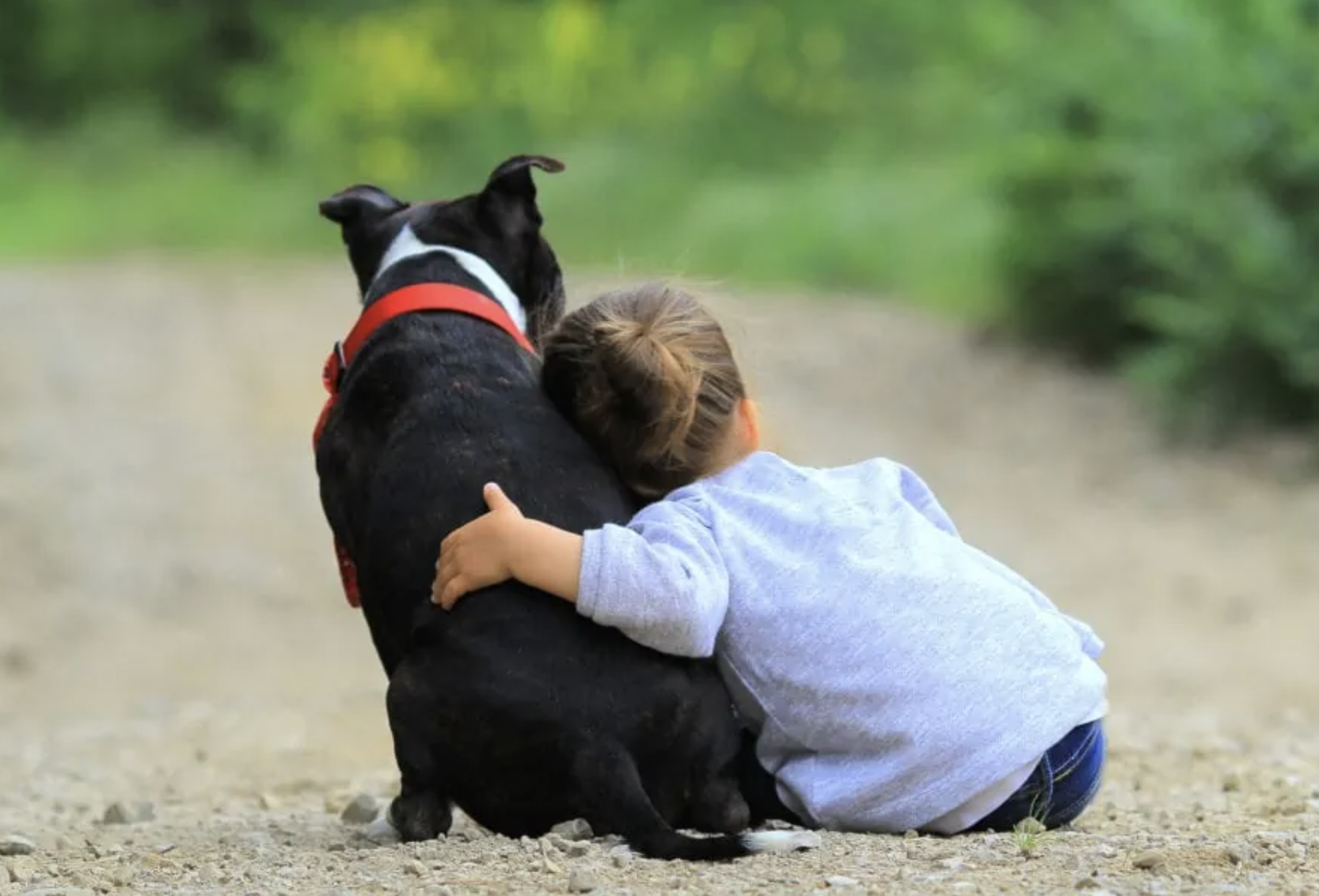
Euthanasia can be a sensitive topic, but having some clarity on what it is, what it entails and what to expect, may take some of the anxiety away when it is time to say goodbye to a beloved family pet.
The definition of humane euthanasia is to provide relief from pain, suffering or distress through the intentional act of ending an animal’s life. The word euthanasia is derived from the Greek word “dysthanasia” meaning a “good death”. Though this of course can be a very difficult and painful decision, it can also be seen as an act of compassion to let a pet go with dignity and love.
If you have had animals before, there is a good chance you have had to put a dog, cat or other animal down, and therefore might be familiar with what a euthanasia entails. Or perhaps it was a stressful or traumatic time, or you have never had to euthanize a pet before and are not really sure what to expect. For whatever case you fall into, or any other reason you want to know a little more this blog post is here to help explain that. In this next section I will describe what the common steps are and what to expect when you bring your fluffy companion in for euthanasia.
Depending on your relationship with your veterinarian, and what has been recently going on with your pet, a physical examination may be performed before euthanasia is agreed upon as a valid next step. Many clinics go through the necessary paperwork and payment before the euthanasia is performed so that clients are able to grieve and leave the clinic space without having to worry about that step at the end. This is often the time that aftercare choices can be made, such as cremation, wanting ashes back and other memorial items to remember the pet by. If decisions on aftercare are too overwhelming or need to be discussed with family, choices can often be delayed for a day or so.
Patient comfort and calming is the next priority, so injectable sedation is given. This is often a combination of drugs to make the patient sleepier and less painful, often taking 10-30 minutes to fully set in (this varies by patient health/illness, anxiety level, individual response to the medications, etc.). At each junction of this process, I like to check in with my families and ensure they are ready to proceed to the next step and giving them time to say goodbye to their beloved pet.
Once the patient is sedated and more at ease, IV access is obtained. This may vary between veterinary preference, species, health of the patient (vascular access), and size of the patient. IV access may be directly obtained with a needle and syringe, butterfly catheter, IV catheter placement, etc. After vasculature access is achieved then the final drug can be administered, which very quickly causes loss of consciousness, stops respiration, and then stops the heart. I also have a preference of giving a little bit of IV anesthetic beforehand to create an even deeper sedation before administering the final solution. In my experience, this allows for a more peaceful passing of my patients.
As the pet passes, usually within seconds to a minute of time, they may take deep gasping breathes (agonal breathing), which is a reflex the body may experience; they may have a heartbeat for a minute or two, the patient loses their ability to hold bodily functions, often defecating or urinating themselves; and generally, their eyes remain open after they are gone. These are all normal and can be expected when a pet is euthanized. As vets, we try to make you aware they might happen beforehand, so as to lessen the stress if they occur to your cat or dog.
At this time, your veterinarian will confirm the death of the patient by listening for a heartbeat, feeling for femoral pulses, watching for cessation of respiration and will verbalize to you that your pet has indeed passed away. I feel strongly that each euthanasia should be handled with empathy, compassion and care. I hope to demonstrate to my clients that I respect their decision to euthanize and I will be with them in their grief. Part of this process is allowing my clients as much time as they need, before leaving, with their dog or cat after the euthanasia is performed to say final words, have last moments, or take comfort in the peaceful passing of their pet.
Other options for euthanasia do exist, including mobile veterinarians that can come to your home and provide this service allowing for a calm, home environment that is less stressful for your pet and is especially helpful for large dogs with difficult mobility.
If you are struggling with knowing if it is time to say goodbye to your dog or cat, your veterinarian can help you. Whether it is comfort, resources, confirmation or empathy we try to be there and help guide our clients through this very difficult decision. Know that we are professionals and do our best to be a strong, dedicated presence during a euthanasia, but we are also human, and often feel the pain of our clients, feel the loss of a long-time patient, and know the grief of losing our pets just as you do.
Know there is pet grief counselling available, seek professional help if you are struggling over the loss of a pet, and speak to your veterinarian if you are uncertain about any of the above.
This is a very personal and emotionally-charged subject, and I am here to respect that and provide whatever care and understanding I can.
Dr. Hillary