Feline Vaccines
GLVH
Following up from last month’s discussion on canine vaccines; this month I will now focus on the core and non-core vaccines of our feline friends! These vaccine guidelines also arise from the American Animal Hospital Association (AAHA) recommendations for North American. Further guidance can be found from the Feline Veterinary Medical Association (FelineVMA).
Core Vaccines
Rabies Vaccine:
In Ontario this vaccine is required by law, and some may think, why does my cat that lives entirely indoors need this vaccine? The short answer is bats can get into homes, bats are frequently found positive for rabies, and rabies is a fatal disease that can be transmitted to humans; making vaccination of our pets a good idea. Secondly, cats may escape a home and can interact with wildlife. Occasionally imported animals (dogs, etc.) can have a rabies infection that might pose a risk to your pet cat if they were to come in contact.
Kittens are generally vaccinated once at 12- or 16-weeks. Then a boost is done one year later. Beyond that, depending on the vaccine manufacturer, rabies may be boosted annually, or every 3 years thereafter.
FVRCP Vaccine:
This is a combination vaccine, in that it contains three different components to induce immunity against three viruses. Below I will briefly describe what each one is, but overall, this is to help prevent common upper respiratory illness in cats. As kittens this vaccine is received in three boosts (generally 8-, 12- and 16-weeks of age), and can be boosted a various intervals afterwards depending on the manufacturers (annually, 2- or 3- years vaccines may be available).
Feline calicivirus (C)
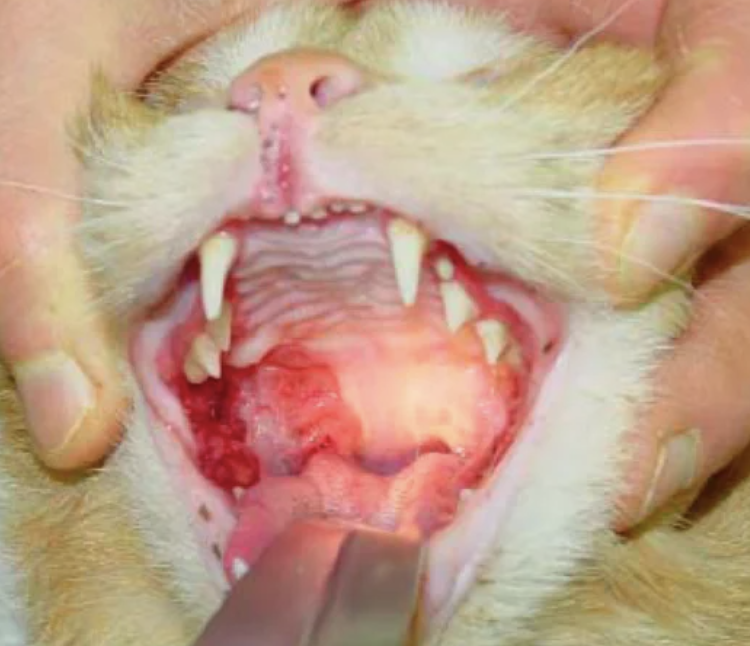
This virus is common in cats, and kittens tend to be most susceptible to clinical disease. Due to it being highly contagious, vaccination is recommended to help mitigate or eliminate the risk of clinical illness. Common symptoms include: lethargy, decreased appetite, ocular discharge, squinting, sneezing, and nasal discharge. Other signs might include lameness or reluctance to walk and drooling. Oral lesions are often present on exam, as well as fever and dehydration. Most cats have self-limiting disease, but some patients require medical treatment that aims to improve clinical signs. This could include IV fluids, syringe feeding, eye drops, antibiotics if there is a suspected secondary bacterial component, pain medications and others based on the specific case. Prognosis is good with appropriate treatment.
Feline herpes virus or rhinotracheitis virus (R)
This is another common and contagious virus, especially present in young kittens. As a herpes virus, it has the ability to go latent and re-emerge throughout a cat’s life. Frequently these flare ups occur when there is a stressful event or change to your cat’s routine. These stressors may include household change, other disease, pregnancy/lactation, steroid administration, being in a multi-cat household or shelter or inadequate information. Ocular infection is common with this virus, often turning into severe corneal ulceration if not managed carefully. Upper respiratory clinical signs, similar to calicivirus above, are also prevalent. Again, this is generally a self-limiting virus that may need no treatment to supportive therapies only, with special care taken for corneal ulcers if present.
Feline panleukopenia virus (P)
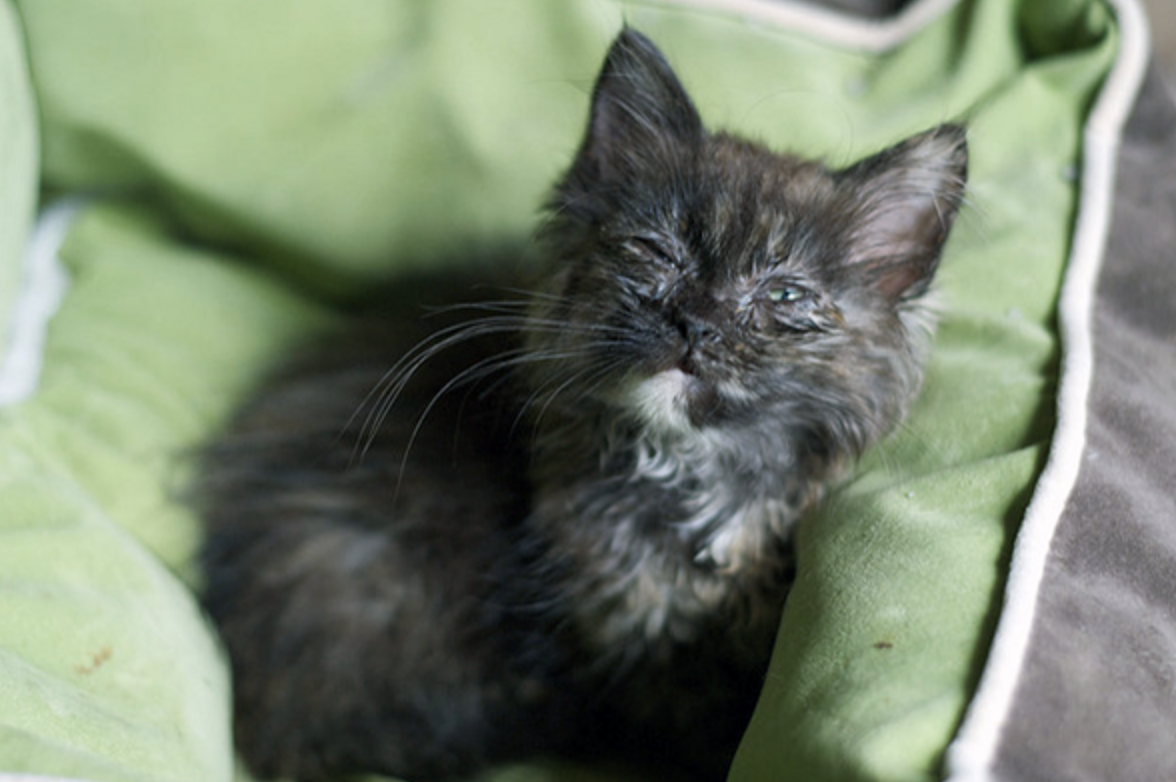
This virus if highly contagious and generally causes severe to fatal disease in our feline companions. Vaccination against this virus is highly effective and greatly reduces the occurrence of disease. This is a virus shed into the environment by an infected cat, where is can remain stable for a long time, and allows susceptible cats to pick it up. Clinical signs frequently include enteritis (diarrhea, vomiting), extreme lethargy, fading kitten syndrome, dehydration and fever. There may also be abnormalities in the nervous system if a kitten has been infected in utero or just post-partum. Supportive care is often just trying to stay ahead of dehydration caused by the enteritic form. Many kittens may not make it, but those that survive have immunity for life against the panleukopenia virus. A neurological form of the virus does not have any treatments available and the cat lives it’s life with those deficits.
Non-Core Vaccines
Feline Leukemia Vaccine:
This vaccine is considered a core vaccine in kittens and young adults less than 1 year in age. Beyond that, it is non-core and is recommended based on the risk and lifestyle of your particular cat. Cats that may not require continued boosters are those that remain indoors in a household where there is essentially no risk of contracting feline leukemia virus from other cats. Initial dosing is two shots 3-4 weeks apart, followed by an annual boost thereafter.
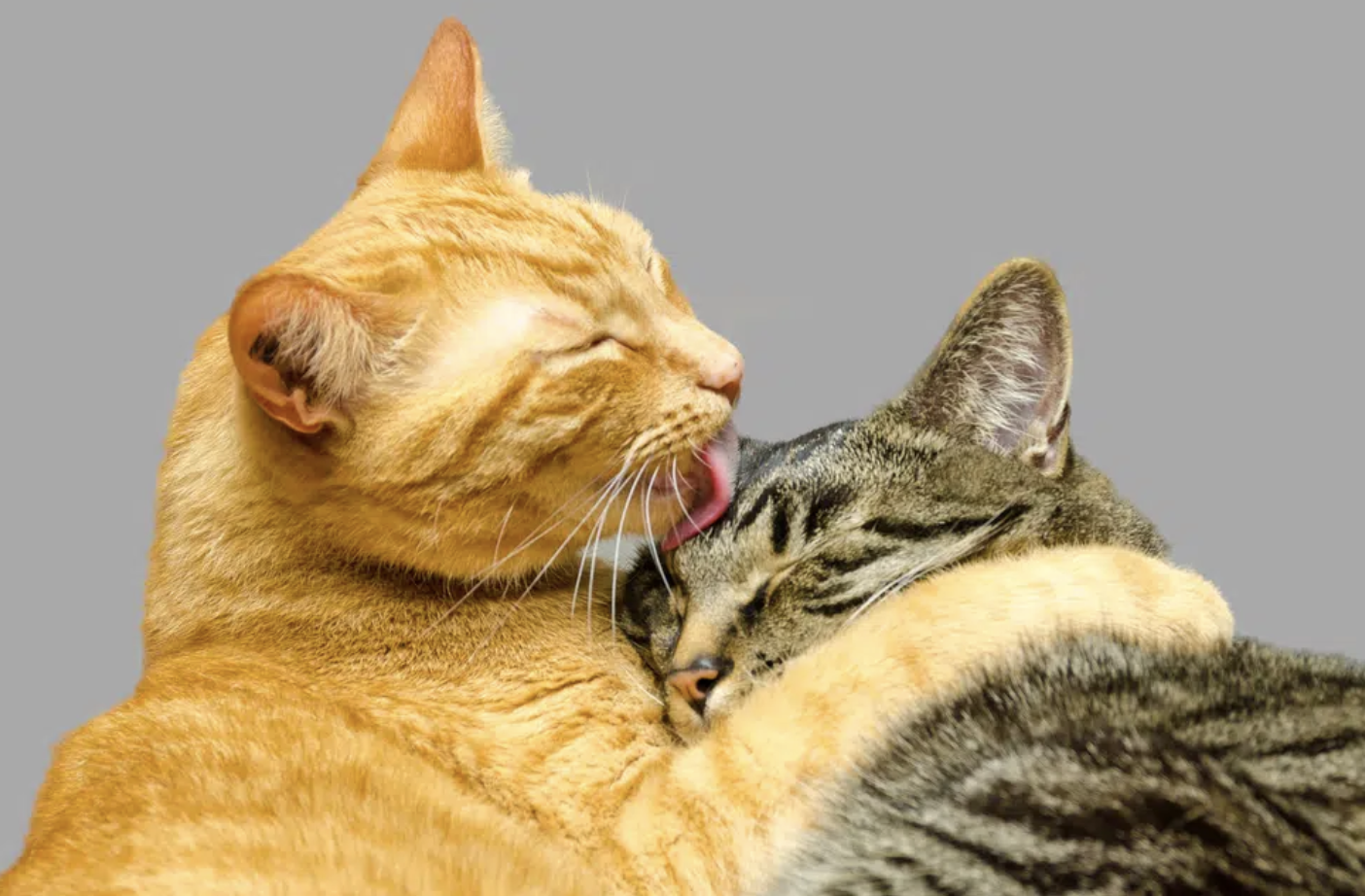
Feline leukemia virus is transmitted from cat to cat mainly via saliva through mutual grooming, playing or sharing food. It is also possible to become infected through biting, a blood transfusion or transplacental. This virus is present worldwide, and can cause three forms of infection in our cats. They may eliminate the virus with a strong immune response, they may suppress the infection but not fully rid themselves of it sometimes allowing reactivation of infection to occur, or some cats will be unable to create an immune response to the virus and generally become diseased and can shed the virus to others.
Clinical signs are often secondary infections such as upper respiratory signs and dental disease, or non-specific signs related to anemia or cancer. If you believe your cat is at risk of FeLV, speak to your veterinarian about testing and the vaccine moving forward.
Bordetella Vaccine:
Often used in cases where there is a large feline population, such as in breeding catteries, shelters, or hoarding situations. This vaccine does not fully prevent disease, but will help mitigate the clinical signs and severity. Not commonly administered.
Chlamydia Vaccine:
Often used in cases where there is a large feline population, such as in breeding catteries, shelters, or hoarding situations. This vaccine does not fully prevent disease, but will help mitigate the clinical signs and severity. Not commonly administered.
Feline Infectious Peritonitis (FIP) Vaccine:
Generally, not a recommended vaccine at this time. Currently there is treatment now available in Canada that has a very high success rate in treating FIP cats. Please see my blog post on FIP from January 2026.
I hope this post gives you a clearer understanding of what feline vaccines entail,
Dr. Hillary